What is RAG - Retrieval Augmented Generation?

LLMs are large. Like... really large. They are trained on milions of texts and other datasets to posess a wide general knowlede. And thats smart, because it produces a general purpose model. But like so often increased quantity comes with decreased quality. This can manifest in the form of hallucinations, shallow knowledge or contradicting statements. This begs the question:
How can we use LLMs to create expert systems that posess deep knowledge in a specific field without outright needing to train our own LLM.
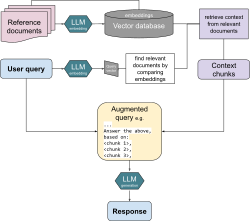
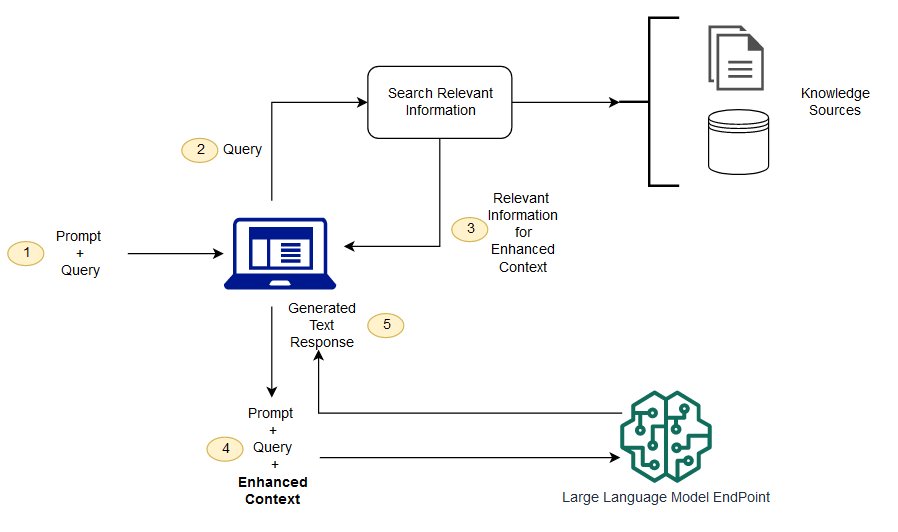
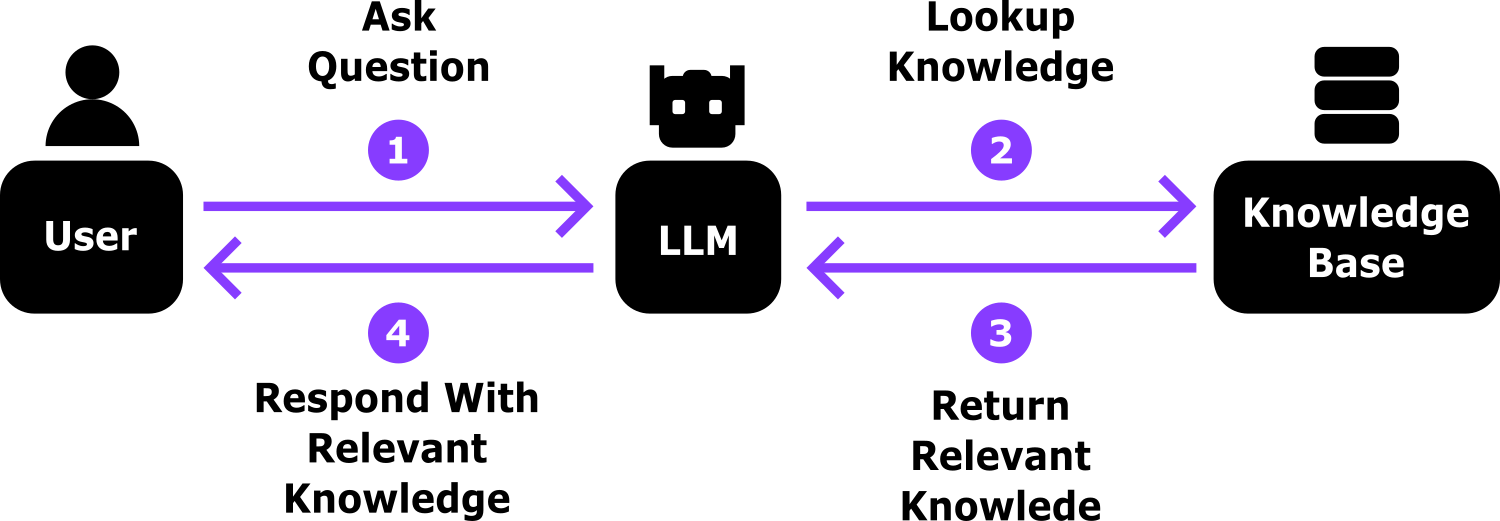
Retrieval Augmented Generation (RAG) is an approach that enhances the capabilities of large language models (LLMs) by integrating external knowledge bases into the response generation process. Unlike traditional LLMs that generate responses based solely on their pre-existing training data, RAG introduces an information retrieval component that allows models to pull relevant data from curated sources. This process not only improves the accuracy of the information presented but also keeps the model up-to-date without the need for constant retraining.
Understanding RAG: How It Works
The RAG process consists of several key stages:
- Indexing: Relevant documents or datasets are indexed and stored as embeddings in a vector database, which allows for efficient retrieval.
- Retrieval: When a user inputs a query, the system retrieves the most relevant documents based on their content. This relies on sophisticated algorithms that compare the query against the indexed data.
- Augmentation: The retrieved information is then integrated into the user query to provide context. This helps the LLM generate a more informed and contextually relevant response.
- Generation: Finally, the LLM uses both the augmented data and its existing knowledge to produce a comprehensive response that is accurate and relevant.
The Advantages of RAG
RAG offers numerous benefits to organizations and developers:
- Cost-Effective: Organizations can leverage RAG to minimize costs associated with retraining LLMs. By augmenting existing models with new knowledge, they can keep their outputs fresh without incurring heavy computational expenses.
- Relevance and Accuracy: RAG enables LLMs to access current data and domain-specific knowledge. This addresses challenges related to outdated or incorrect information that often plagues traditional AI models.
- Enhanced Trustworthiness: RAG allows models to provide source-attributed information, enabling users to verify responses and enhancing overall trust in AI systems.
- Greater Control: Developers can adjust and manage the data sources used by the LLM, allowing for flexibility in developing applications tailored to specific needs and contexts.
Real-World Applications of RAG
RAG is particularly useful across various domains, such as customer support, healthcare, and finance. For instance, chatbots powered by RAG can provide accurate information regarding company policies or medical guidelines by retrieving real-time data from internal databases or public sources. This capability significantly improves user interactions, delivering precise answers based on the latest information available.
In summary, Retrieval Augmented Generation represents a significant advancement in the integration of real-time information into the response generation capabilities of large language models. By allowing LLMs to retrieve and incorporate new information, RAG overcomes the limitations of static training datasets typically associated with traditional AI models. As the field of artificial intelligence continues to evolve, RAG stands out as a key solution for improving accuracy, relevance, and user trust in AI applications. As organizations increasingly recognize the importance of providing reliable and up-to-date information, considerations around implementing RAG into their systems will become ever more crucial.
Sources:
 Contributors to Wikimedia projects